
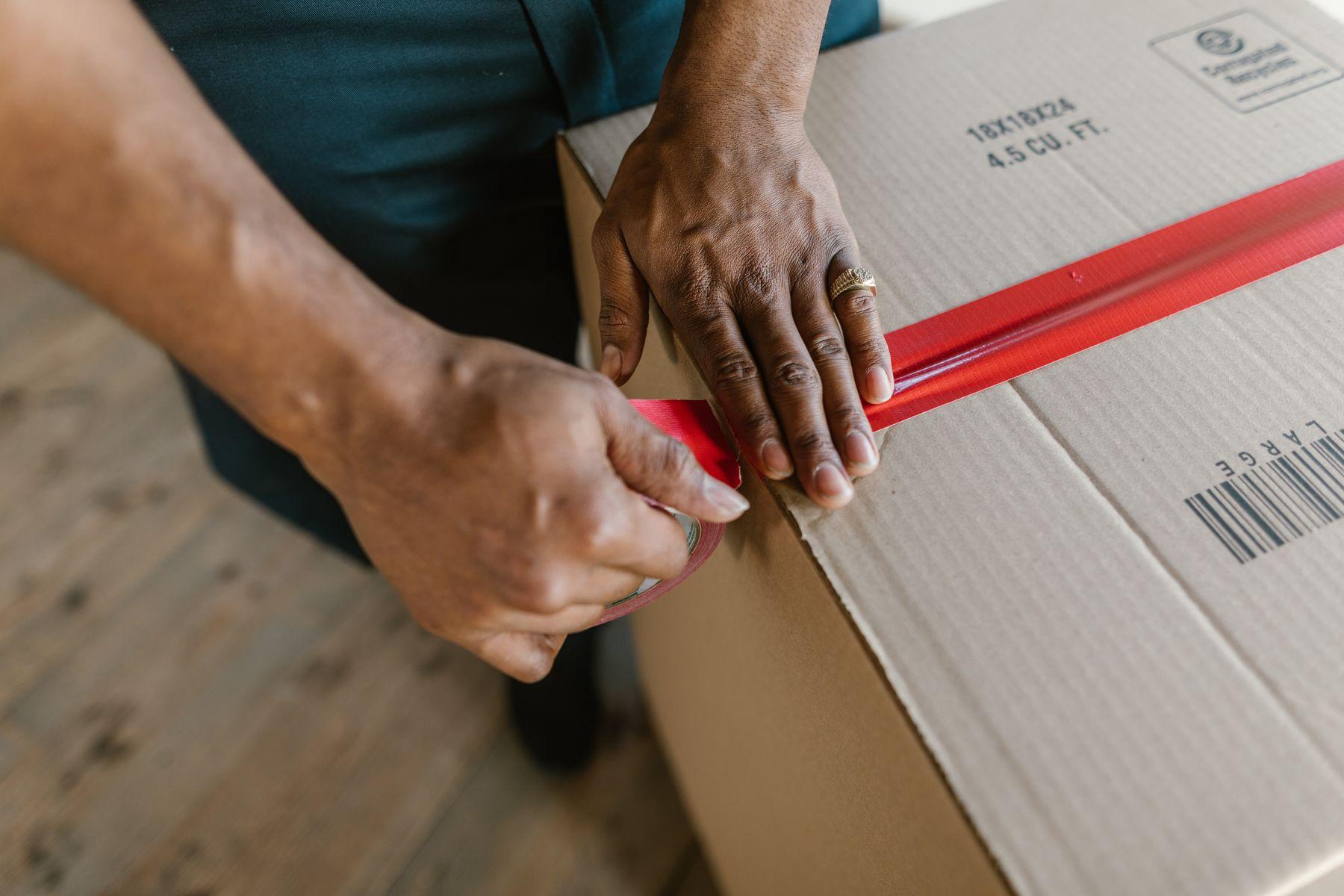
Dropshipping fulfillment is the work of getting a sold product to the customer without you handling it yourself. In classic dropshipping a supplier ships the order. Many sellers later move to a model where they buy stock in bulk, keep it in a warehouse and have the warehouse pick, pack and ship each order.
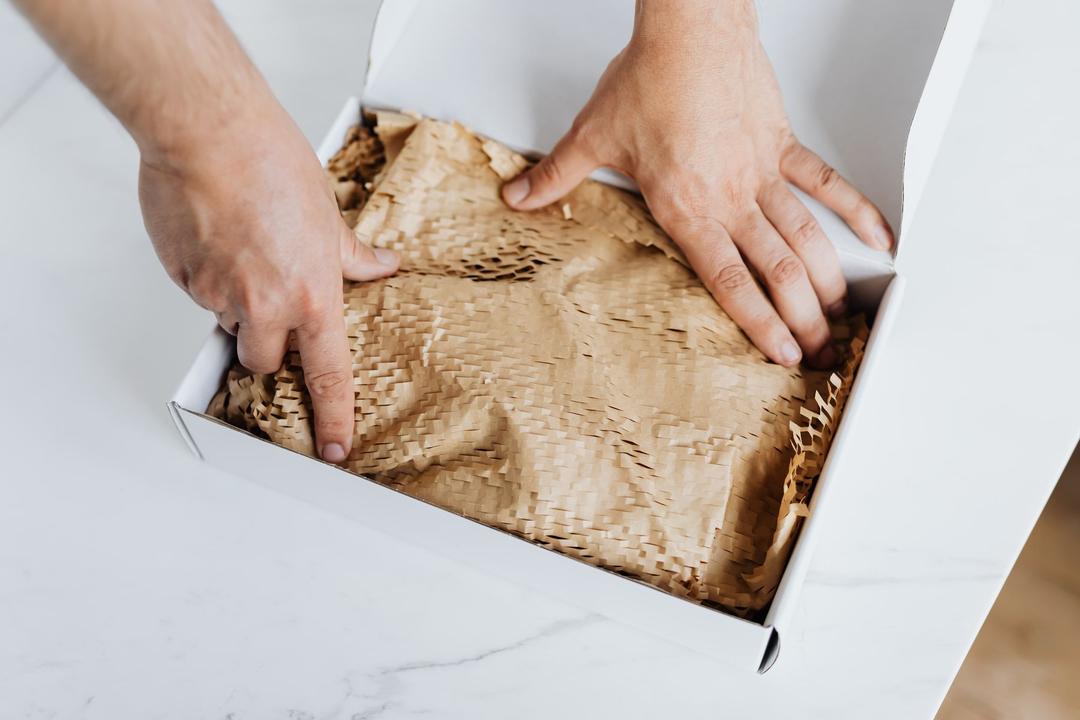
How supplier dropshipping works
You list a product in your store. A customer buys it. You pass the order to a supplier, who packs and ships it under your brand. You never touch the product.
Good: you need no stock and no space. Harder: you do not control quality or packaging, shipping times depend on the supplier and your margin is what is left after the supplier's price.
Fulfilling from your own stock
You buy products in bulk and store them in a warehouse. When an order comes in, the warehouse picks the item, packs it and ships it to your customer. You keep control of quality, packaging and the customer experience.
Good: better unit cost when you buy in bulk, control over packaging, and stock that is already in the US if your customers are there. Harder: you pay for storage and you have money tied up in stock.
Which one fits you?
| Supplier dropshipping | Your own stock in a warehouse | |
|---|---|---|
| Upfront cost | Low | Higher, you buy stock |
| Control of quality | Low | High |
| Packaging and branding | Limited | Yours |
| Unit cost | Supplier's price | Bulk price you negotiate |
| Where the parcel starts | Supplier's location | Your US warehouse |
Many sellers start with supplier dropshipping to test products, then move the winners to their own stock.
What a fulfillment warehouse does
A warehouse partner receives your stock and counts it in, inspects the products, stores them and shows you real-time inventory. For each order it picks the item, packs it, applies the shipping label and ships it out. Our FBM and online store fulfillment works this way: the first item in an order is $2.50 and each extra item adds $0.25.
If you sell from outside the US
Many online sellers live in countries where shipping each order to US buyers is slow or expensive. Sending bulk stock to a US warehouse puts the product closer to the customer. Our guide to shipping inventory to a US prep center from abroad explains what to prepare.
What to tell a warehouse before you start
- What you sell, and the size of each product.
- How many orders you expect.
- How orders will reach the warehouse.
- Where your customers are.
Request a quote with those four answers and we will tell you how we would handle your orders.
A simple cost check
Here is an example, not a quote. A product costs you $12 to buy in bulk and you sell it for $30. Fulfilling a single-item order from your own stock in our warehouse costs $2.50 for the first item, plus postage quoted for your parcel. A 2-item order is $2.75 and a 3-item order is $3.00. Add storage, which is quoted from your product sizes, and compare the total with what a supplier charges you per dropshipped order. The answer depends on your numbers, so run it for your own products.
Shipping promises you still have to keep
In the United States, the FTC's Mail, Internet, or Telephone Order Merchandise Rule says you must have a reasonable basis to ship within the time you advertise, or within 30 days if you state no time. The FTC's business guide says the business that takes the order is the seller under the rule, even when a supplier or fulfillment company ships it. That applies to dropshipping stores too. Keep your promised delivery times realistic for whichever model you use.